Do I owe the gap between check and bill?
On paper, yes. The contract you signed with a drying company and the policy you hold are two separate agreements. Nothing in one caps the other. Whether you pay the gap in Santa Ana depends on how the invoice was built.
A person answers, day or night. The first look is free. CSLB #1131134 · IICRC #70194273
How does the gap open?
Two documents built by different methods, for different purposes.
The invoice records what happened in your house: hours worked, machines set, days they ran, material carried out. The carrier’s estimate comes from a regional pricing database.
That database assigns a unit price to each task and a duration it treats as reasonable. Most of the time the two land close enough that you never hear about it.
Where do they part company?
Five places, and the first two carry most of it.
- Equipment days: what ran, against what a reviewer calls reasonable
- Machine count: six air movers and three are different invoices
- What came out: drywall, baseboard and flooring move the number most
- When the work started, because a weekend call is priced differently
- Items the estimate folds together: containment, disposal, moving furniture
Whoever prices it afterward never saw the room wet. That is the whole difficulty in one sentence.
Is that check the whole payment?
Often not, and that is worth checking before you fight.
Most homeowners forms take your deductible out before anything is issued. Part of the money can be held back until later stages are finished.
If you carry a mortgage, the lender’s name may sit beside yours on the check. A check short by exactly your deductible is arithmetic, not a dispute.
Does a condo change it?
It changes who is paying, so it changes what reaches you.
In the attached housing filling Irvine, Tustin and the newer tracts here, two policies cover slices of the same loss. The line between them lives in the governing documents.
When somebody tells us the check came up short, the missing piece is sometimes not missing. It is sitting with the other carrier, waiting for a person to ask.
So do I owe it?
Whoever signed the authorization owes the invoice. Usually the homeowner.
The drying company was never a party to your policy. Your carrier was never a party to the paper you signed at the counter.
An insurer paying less does not shrink a contract it had no part in. That is the uncomfortable version, and it reads better for us than for you.
Does the gap usually close?
More often than that paragraph suggests. A supplement is next.
A supplement is the company asking the carrier for more, with the daily logs, photographs and readings behind it. Skipping it is a mistake.
Companies reduce invoices. Carriers raise estimates once they see what a pricing database could not. Both sides land in the middle, because neither wants a year there.
How much of it is yours to run depends on what you signed. A work authorization keeps you in the negotiation; an assignment hands it over.
What is an appraisal clause?
A process that settles how much a loss is worth.
It does not settle whether the loss is covered. Each side names an appraiser, those two pick an umpire, and any two who agree set the figure.
Each side generally pays its own appraiser and they split the umpire. It exists because arguing a number in front of a judge is slow and expensive.
It is the wrong tool for a denial. If the carrier says the cause is not covered, appraisal has nothing to decide.
Where is that clause written?
A short paragraph near the conditions, under that word.
Forms vary. Some let either party demand appraisal, some require both to agree, and yours is the one that governs.
Nobody here has your copy, so any account of its terms would be invented. Reading it yourself takes less time than the phone call you are dreading.
Can they lien my house?
Yes, and it is slower and narrower than the word sounds.
A contractor who furnished labor or materials that improved a property can record one when an invoice goes unpaid. A lien does not take a house.
It attaches to the title, so it surfaces the day you try to sell or refinance. The deal waits until it is released, and that is the whole force of it.
What surprises people about liens?
The preliminary notice, and how short the windows are.
The notice is a formal letter that often arrives while the equipment is still running. It reads like a threat, and it usually preserves a right that would otherwise be lost.
The windows for recording and then enforcing are measured in weeks and months, not years.
They tend to run from events like the end of the work, not from the invoice date. What to do about a recorded lien is a question for an attorney.
What do I ask on day one?
Six things, all of them before a machine is plugged in.
- The rate sheet in writing, with the after-hours difference named
- The name of the document, and whether it assigns anything
- The daily record: readings at marked spots, machine counts, photographs
- A scope sent to your carrier while the equipment is still here
- A copy of the carrier’s estimate with the line items showing
- If the estimate comes in under this invoice, what happens then
A company that will not put its rates on paper before it starts has answered the question. Write down both answers to the last one.
The equipment line startles people most. A dehumidifier and four air movers read as a modest number per day and an ugly one per week.
The cost page takes that apart piece by piece.
Which part of this debt is not mine?
Work nobody authorized in writing is not a debt you have to carry.
Ask for the signed scope and lay it beside the invoice. Every line that never appeared on the paper you signed is not ours to defend and not yours to settle.
What can you not judge?
Whether the number in front of you is fair.
None of it has crossed this desk. Not the policy, not the invoice, not the daily logs standing behind it.
Whether a supplement gets funded is the carrier’s decision. How a disagreement resolves is not something anyone calls in advance honestly.
These arguments turn on documentation far more often than on honesty.
The invoices that survive review have a legible daily record behind them. The rest of the questions arrive in the guides.
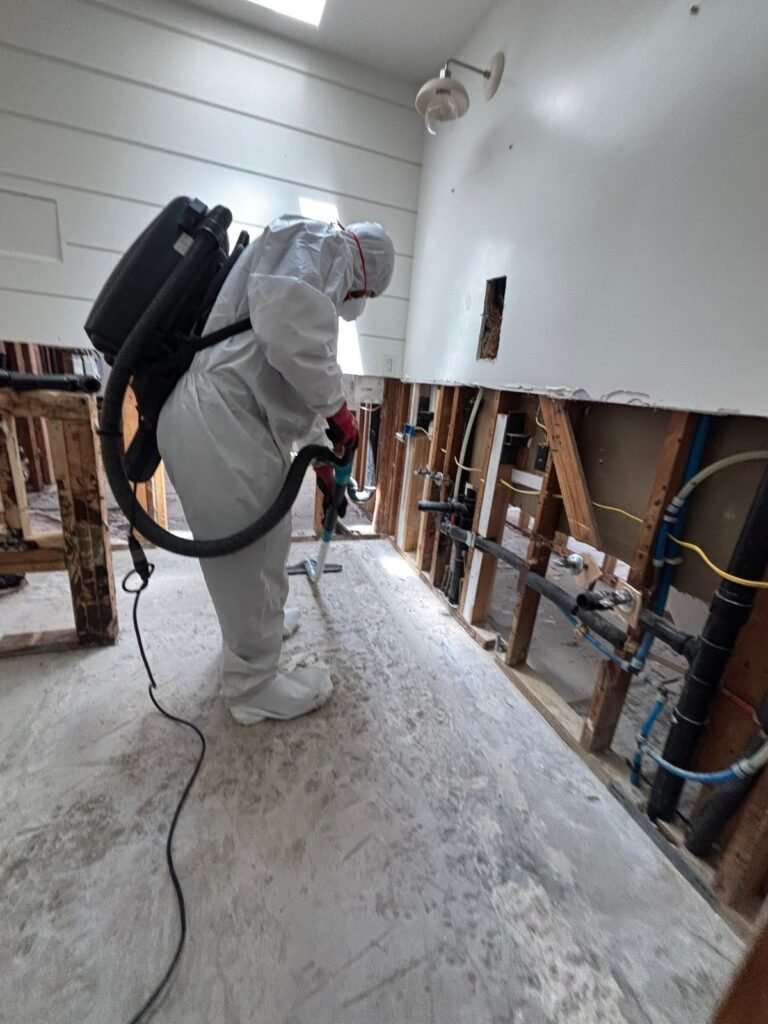
What Did I Sign Before the Crew Started?
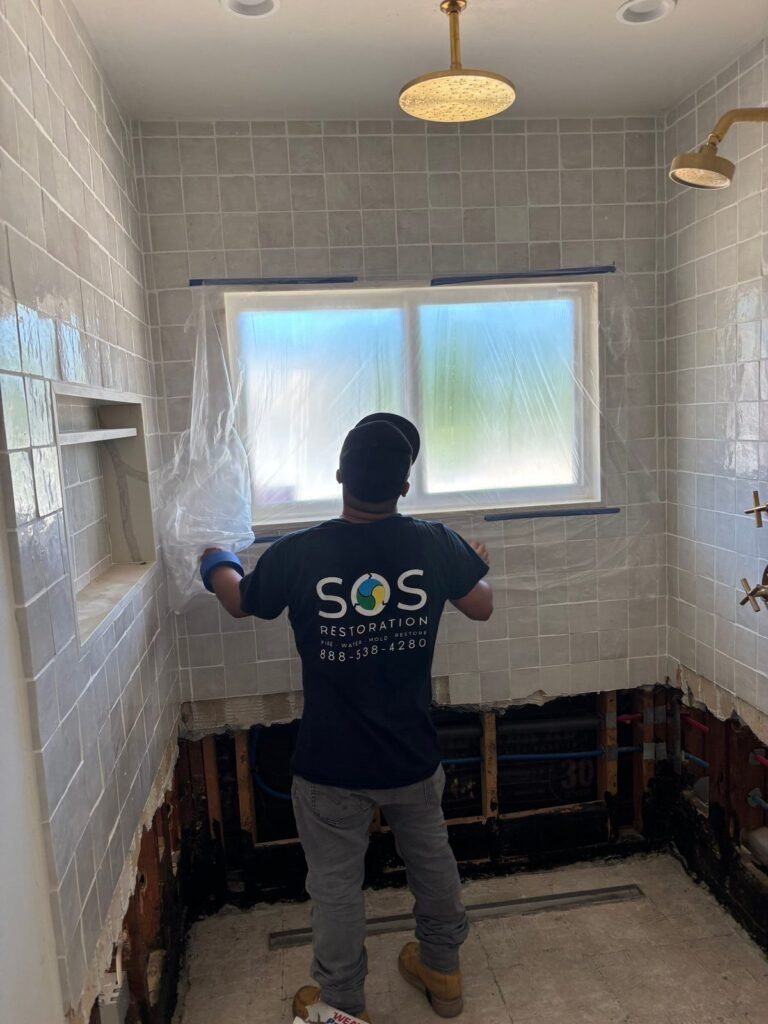
Slab Leak Signs: How Do I Know I Have One?
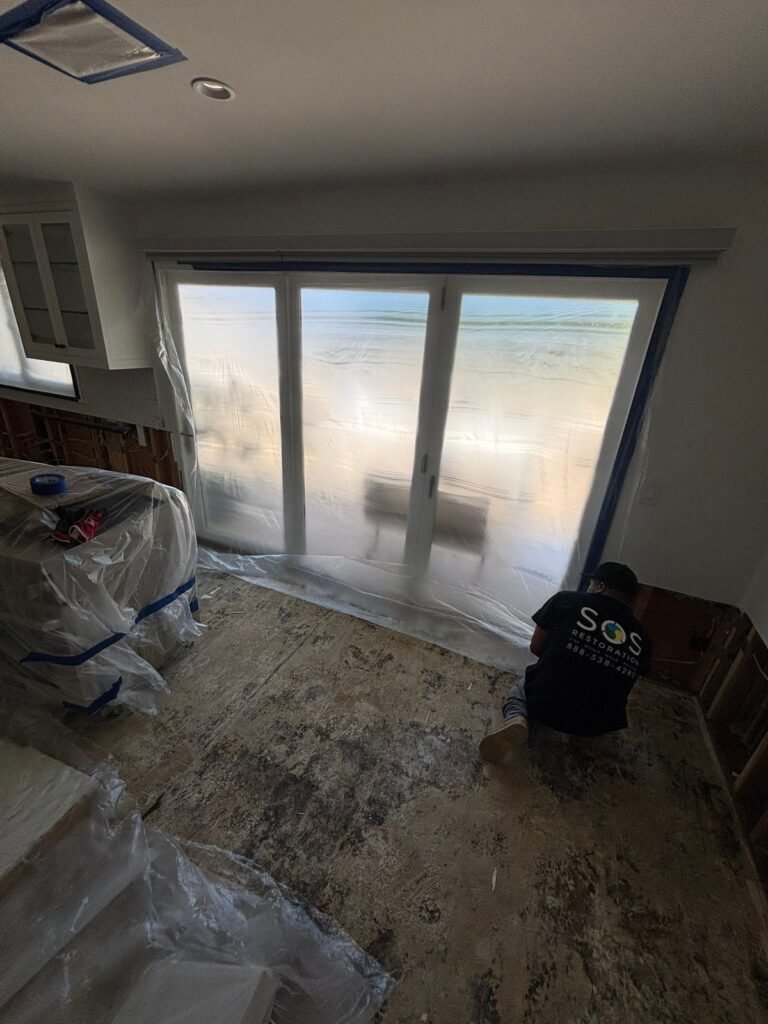
Garage Water Heater Burst: How Bad Is It?
The version of this that ends well is the one where the paperwork got written down while the fans were still running. Santa Ana, (949) 522-4470.

Water, fire, smoke, mold, storm and sewage cleanup for Santa Ana and the Orange County cities around it. Any hour, any day. Se habla español.